
What is cupping therapy?
Dry cupping applies suction with cups placed on the skin. Some people seek it for muscle discomfort, but evidence for lasting benefit is limited. Temporary circular marks and soreness can occur. At an assessment, discuss whether it adds anything useful to your rehabilitation and what alternatives are available. This page covers dry cupping; it does not describe wet cupping or bloodletting.
What happens during treatment?
- Discuss the reason for considering cupping
- Screen skin health and relevant medical conditions
- Explain possible marks, discomfort and uncertain benefit
- Review comfort and continue the agreed movement plan
Goals and potential benefits
The plan focuses on your daily function and agreed goals. Your response guides whether this approach remains useful; outcomes vary.
Is it suitable for you?
Skin infection, fragile or damaged skin, reduced sensation and bleeding risk may make cupping unsuitable. Disclose medication and medical conditions, and stop if treatment is uncomfortable.
Care at The Muscular Junction
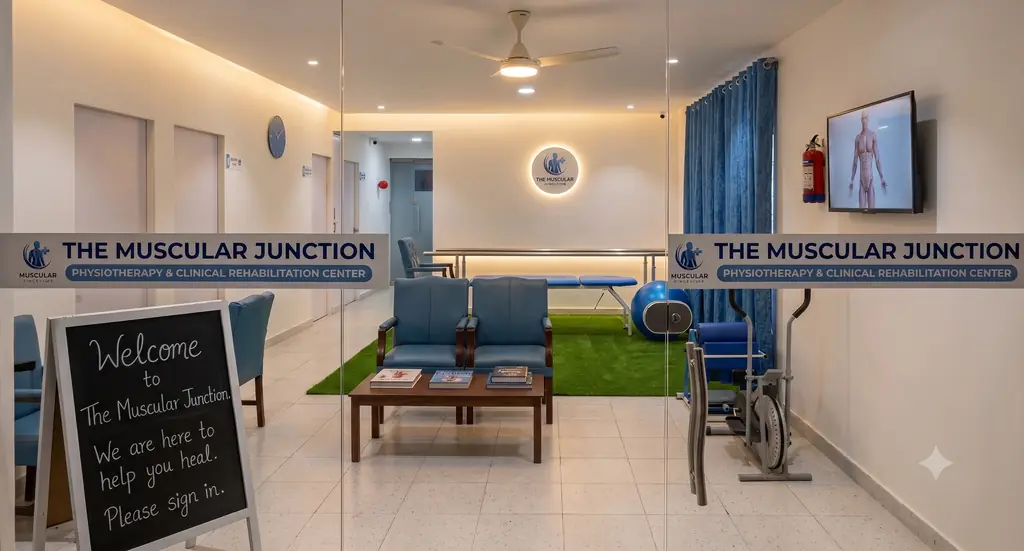
Our River Gardens clinic brings assessment, discussion and rehabilitation together. We explain the options, agree goals and review how the plan is working. Ask about clinician availability and session length when booking.
This page provides general information, not a diagnosis or an individual treatment plan. A qualified clinician should assess your symptoms. For a medical emergency, seek emergency care rather than using the appointment form.
Further reading: NCCIH information on cupping and evidence limitations.