
What is dry needling & cupping?
Dry needling and cupping are different approaches sometimes considered alongside physiotherapy. Needling uses fine needles; dry cupping applies suction to the skin. Neither replaces assessment, exercise or appropriate medical care. This overview explains the distinction and links to the individual treatment pages so you can discuss benefits, uncertainty and risks before deciding.
What happens during treatment?
- Screening for contraindications before any needling
- Trigger-point dry needling using single-use sterile needles
- Static and moving (myofascial decompression) cupping
- Immediate follow-up with movement and loading work
Goals and potential benefits
The aim is to make meaningful activities more manageable. We agree a functional goal and review whether treatment is helping; improvement and the number of visits vary.
Is it suitable for you?
Needling and cupping are optional and require separate screening and consent. Tell the therapist about blood-thinning medication, pregnancy, skin problems, reduced sensation and previous reactions.
Care at The Muscular Junction
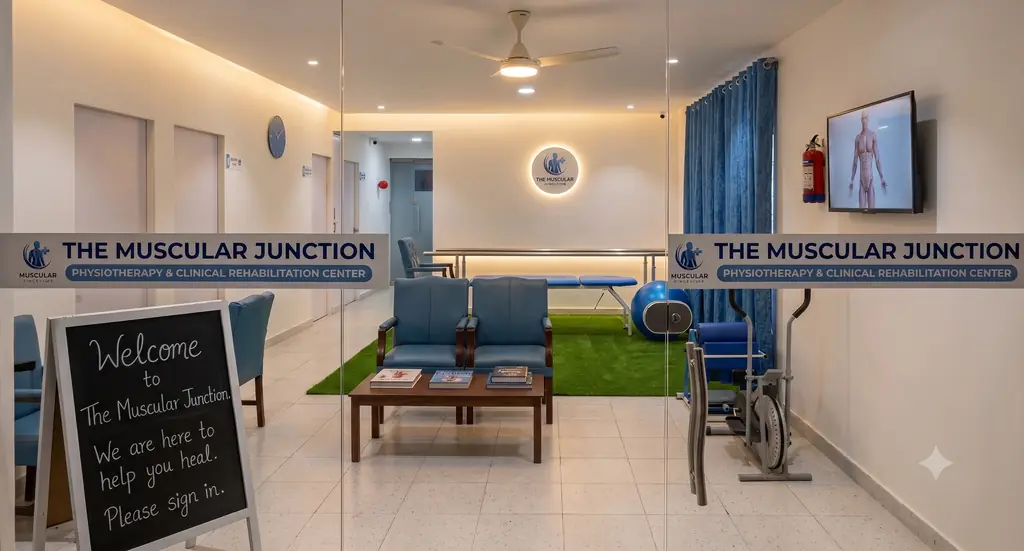
Our River Gardens clinic brings assessment, discussion and rehabilitation together. We explain the options, agree goals and review how the plan is working. Ask about clinician availability and session length when booking.
This page provides general information, not a diagnosis or an individual treatment plan. A qualified clinician should assess your symptoms. For a medical emergency, seek emergency care rather than using the appointment form.