
What is dry needling?
Dry needling uses fine, single-use needles in selected muscle areas. It may be discussed for some muscle-related pain, alongside an active plan. Responses vary and soreness or bruising can occur. Your clinician should explain the evidence, alternatives and risks, including uncommon serious complications such as injury to underlying structures. You do not need to agree to needling to receive physiotherapy.
What happens during treatment?
- Discuss symptoms, medical history and alternatives
- Explain risks and obtain consent before needling
- Use single-use sterile needles and appropriate hygiene
- Check your response and give aftercare guidance
Goals and potential benefits
The plan focuses on your daily function and agreed goals. Your response guides whether this approach remains useful; outcomes vary.
Is it suitable for you?
Tell your clinician about pregnancy, blood-thinning medicines, bleeding disorders, infection, immune problems or needle anxiety. Suitability depends on your history and the proposed treatment area.
Care at The Muscular Junction
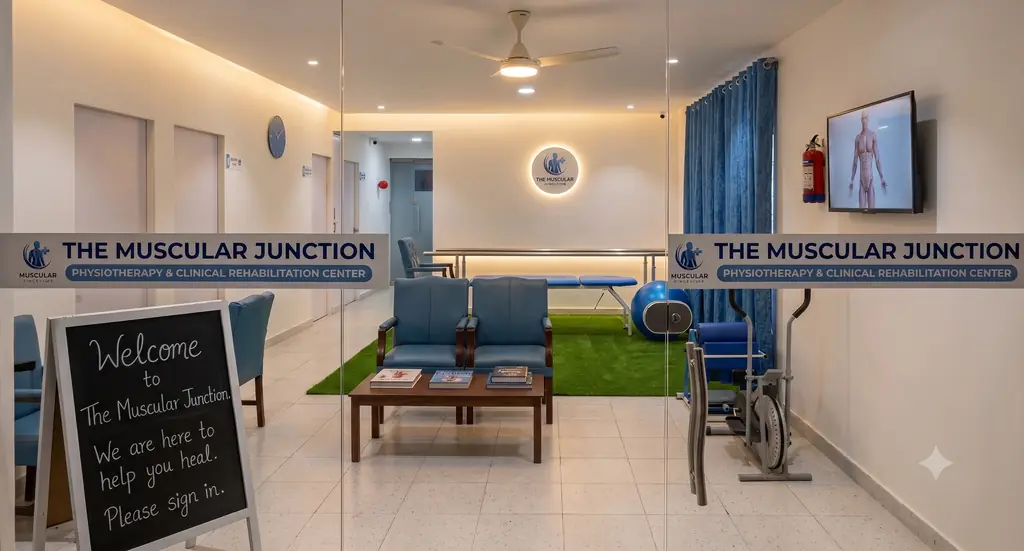
Our River Gardens clinic brings assessment, discussion and rehabilitation together. We explain the options, agree goals and review how the plan is working. Ask about clinician availability and session length when booking.
This page provides general information, not a diagnosis or an individual treatment plan. A qualified clinician should assess your symptoms. For a medical emergency, seek emergency care rather than using the appointment form.